
Childhood Dental Issues: Permanent Teeth Damage | Indirapuram
Childhood Dental Issues: How They Damage Permanent Teeth in Indirapuram
Many parents still believe “baby teeth don’t matter” because they fall out anyway. In reality, childhood dental issues in Indirapuram are one of the biggest reasons teenagers later need painful, expensive braces and extractions. At Aryas Dental & Implant Clinic, Indirapuram, Ghaziabad, pediatric dentists Dr. Anushri Arya and Dr. Sankalp Arya see these small problems in baby teeth quietly damaging permanent teeth forming underneath.
The Hidden Cost of “Baby Teeth Don’t Matter”
Imagine this:
A playful 6‑year‑old returns from school with a tiny brown spot on a front tooth. The family shrugs it off: “Milk teeth will fall anyway.” Night brushing is skipped on busy days.
Five years later, that same child struggles with crowded permanent teeth, jaw discomfort and low confidence about their smile. What looked like a harmless spot was the first sign of deeper childhood dental issues that could have been prevented.
At Aryas Dental & Implant Clinic, Indirapuram, we explain to parents that primary teeth are not just “temporary pieces”. They guide jaw growth, hold space for permanent teeth and protect the permanent buds lying just beneath their roots.
1. Why Primary Teeth Problems Have Lifelong Effects
Baby (deciduous) teeth have important jobs far beyond their short lifespan:
They keep space for the permanent teeth waiting underneath.
They help children chew properly and get enough nutrition.
They guide clear speech development and correct tongue position.
They support balanced jaw and facial growth, which affects appearance.
Critical fact: By around age 3, most permanent teeth are already forming under the roots of baby teeth. When infections or untreated cavities affect primary teeth, they can disturb the shape, strength and eruption pattern of those permanent teeth.
2. Can Cavities in Baby Teeth Damage Permanent Teeth?
Yes. Cavities in baby teeth are not “normal”. Early childhood caries is one of the most common childhood dental issues seen in Indirapuram and Ghaziabad.
Typical progression if ignored:
Day 1: A soft white or chalky patch appears on the tooth surface.
Week 2: The area turns brown, and small holes form.
Month 3: The cavity reaches the nerve; pain or swelling begins.
Later: Infection spreads to the bone and the permanent tooth bud under the root.
Possible long‑term results:
Thin, weak enamel on the permanent tooth (enamel hypoplasia).
Stains and pits on new permanent teeth.
Premature loss of the baby tooth, leading to space loss and crowding.
Recurrent infections that damage the jawbone and gum health.
A tiny cavity today can become an orthodontic and cosmetic problem tomorrow. Regular checks at Aryas Dental & Implant Clinic make sure small cavities are treated before they reach the permanent tooth.
3. What Happens When Baby Teeth Fall Out Too Early?
Sometimes baby teeth are removed early because of big cavities or trauma. Without proper planning, this is another serious childhood dental issue.
Chain reaction after early extraction:
Baby tooth is lost too soon.
Neighbouring teeth slowly drift into the space.
The dental arch becomes shorter and narrower.
Permanent teeth erupt in the wrong position or get stuck (impacted canines).
Later, orthodontists may need to remove permanent teeth to create space.
On the other hand, if a baby tooth does not fall out on time, the permanent tooth may erupt behind it (“double row” or “shark teeth”), causing crossbite and narrow palate problems.
Simple space maintainers and timely extractions at Aryas Dental & Implant Clinic can prevent these complications and reduce the chances of complex braces later.
4. How Childhood Problems Affect Permanent Tooth Development
Permanent teeth begin to form in stages from pregnancy through early childhood. Problems in this period can permanently change how those teeth look and function.
Major risk factors include:
An untreated infection in baby teeth can disturb enamel formation of permanent teeth and cause white or brown spots.
Childhood dental trauma – falls or hits can bend or damage the developing crown or root of a permanent tooth.
Long‑standing gum or bone infections can affect how the permanent tooth root develops.
Poor nutrition or vitamin deficiency may lead to thin, weak enamel that chips easily.
Because of this, Dr. Anushri Arya and Dr. Sankalp Arya encourage parents to treat baby teeth as “protective helmets” for permanent teeth. Keeping them healthy means better‑formed adult teeth.
Read more: How Bad Oral Hygiene Can Lead to Oral Cancer
5. Harmful Childhood Oral Habits That Change Jaw Growth
Some everyday habits quietly reshape the jaws and bite if not corrected early:
Thumb or finger sucking beyond age 4 to 5 – pushes front teeth forward and opens gaps.
Mouth breathing (often from a blocked nose) – narrows the upper jaw, gives a long‑face appearance and may disturb sleep.
Tongue thrusting while swallowing creates spacing and an open bite in front teeth.
Teeth grinding (bruxism) – wears down back teeth and can strain jaw joints.
If these habits continue, they may cause:
Class II or Class III malocclusion (upper or lower jaw too forward).
High, narrow palate and crossbite.
Dark circles under the eyes and a tired appearance from poor sleep.
The ideal time to correct these patterns is between 4 and 8 years. Arya's Dental & Implant Clinic offers myofunctional therapy, habit‑breaking appliances and gentle guidance sessions for children and parents.
6. Why Even “Minor” Dental Trauma Needs a Check
Children often fall while playing, riding cycles or in school sports. Teeth may look fine from the outside, but inner damage can still occur.
Hidden effects of childhood dental injuries:
Damage to the developing root of the permanent tooth, leading to shorter or misshapen roots.
Internal bleeding inside the tooth, which later shows as a colour change.
Slow root resorption that causes early loss of baby teeth.
Golden rule for parents in Indirapuram: any significant hit to the mouth or face should be followed by a same‑day dental evaluation at a trusted kids’ dentist like Aryas Dental & Implant Clinic, even if the tooth “looks okay”.
Read More: Pediatric Dentist Near Me in Ghaziabad | Aryas Dental
7. Prevention‑First Pediatric Dentistry at Aryas Dental & Implant Clinic
At Aryas Dental & Implant Clinic, Indirapuram, we follow a prevention‑first protocol to stop childhood dental issues before they harm permanent teeth.
Age‑wise milestones:
12 months – First dental visit, caries risk check, diet counselling and fluoride advice.
2 years – Evaluation for early cavities and pit/fissure sealants on high‑risk surfaces.
4–6 years – Screening for thumb sucking, mouth breathing and tongue thrust; habit correction planning.
6–7 years – Check mixed dentition, spacing and need for simple space maintainers.
7–9 years – Early orthodontic (Phase I) assessment to guide jaw growth and alignment.
Because our focus is on painless dental treatment in Indirapuram, most child procedures are done with gentle behaviour management, numbing gels, and child‑friendly techniques to build positive memories.
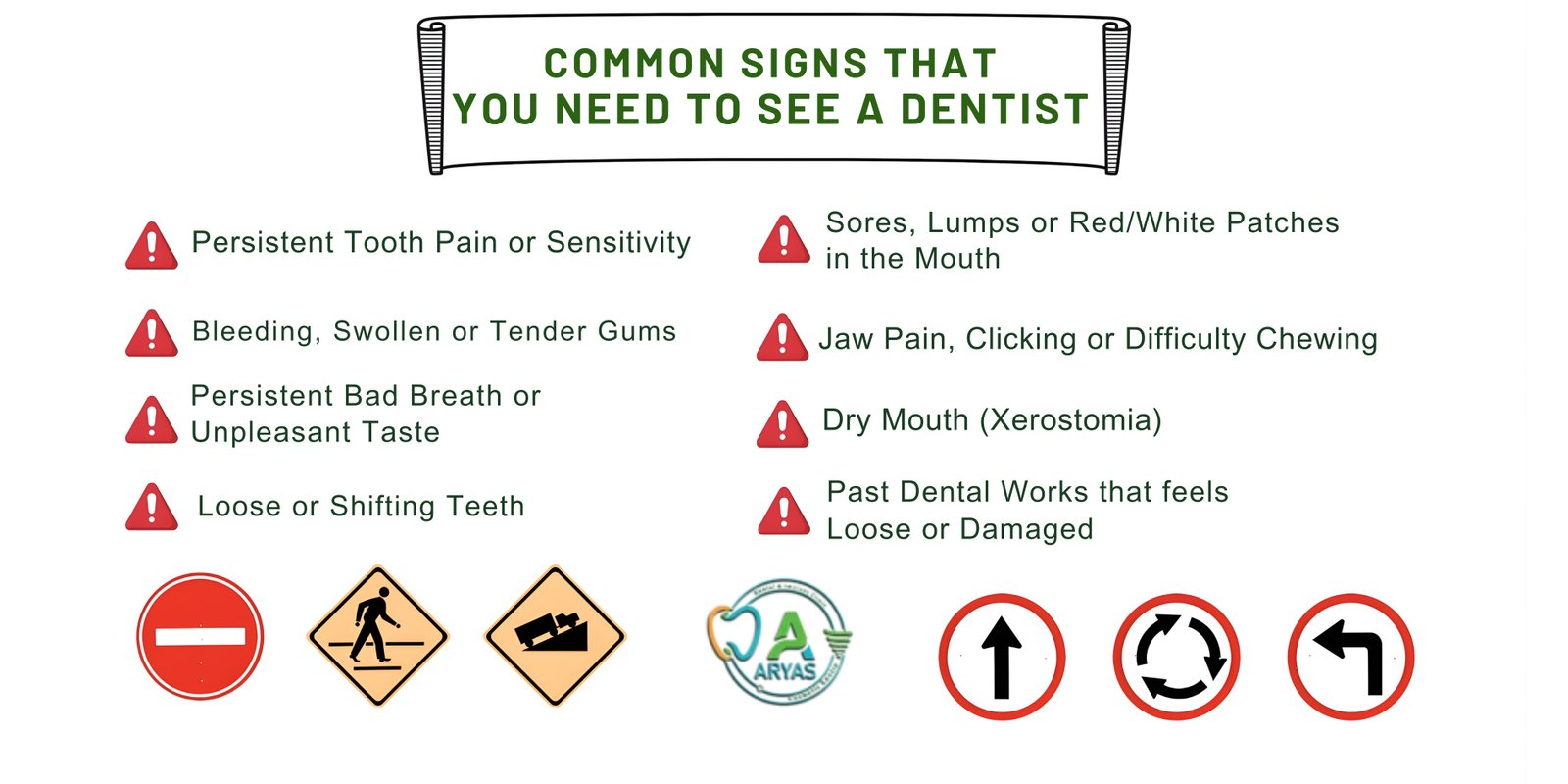
8. Warning Signs Parents Should Never Ignore
Book an immediate pediatric evaluation at Aryas Dental & Implant Clinic if you notice:
Repeated complaints of facial or tooth pain without a clear cause.
Your child is chewing mostly on one side of the mouth.
Long delay in baby teeth falling out or permanent teeth not erupting on schedule.
Spontaneous gum bleeding or persistent bad breath.
New speech difficulties, especially with “s” or “th” sounds.
Frequent mouth breathing, snoring or open‑mouth posture.
Children adapt quickly and may stop complaining, but underlying childhood dental issues continue to progress. Parents must act early to protect future smiles.
Essential Pediatric Dentistry FAQs
Q1. At what age can childhood dental issues start affecting permanent teeth?
As early as 2–3 years, when permanent tooth buds start mineralising under baby teeth, deep cavities or infections in primary teeth can disturb them.
Q2. Can an abscess in a baby tooth damage the adult tooth?
Yes. Untreated abscesses can spread infection to the bone and the developing permanent tooth, leading to stains, weak enamel or altered shape.
Q3. When should my child have the first orthodontic check?
Around age 7, when some permanent incisors and molars have erupted. This is the best time for early guidance of jaw growth and space management.
Q4. How often should high‑risk children visit the dentist?
Children with frequent cavities, poor brushing or strong habits should be reviewed every 3–4 months for preventive fluoride, sealants and habit tracking.
Q5. Do thumb sucking and mouth breathing go away on their own?
Sometimes mild habits stop, but if they continue beyond age 5, they usually need professional help such as myofunctional therapy or habit appliances.
Q6. Is a knocked‑out or badly injured baby tooth an emergency?
Yes. Even if the tooth is a primary tooth, immediate dental assessment is important to protect the underlying permanent tooth and surrounding bone.
Protecting Your Child’s Permanent Smile
Primary teeth are temporary, but their impact is permanent. Well‑managed childhood dental issues prevent extractions, protect space, and guide permanent teeth into healthier positions.
If you are a parent in Indirapuram or Ghaziabad searching for gentle, painless dental treatment for your child or the best dentist in Ghaziabad for pediatric care, Aryas Dental & Implant Clinic is ready to help. Pediatric dentists Dr. Anushri Arya and Dr. Sankalp Arya guide families from the first baby tooth to the last wisdom tooth.
To safeguard your child’s future smile, schedule a preventive pediatric evaluation at Aryas Dental & Implant Clinic, Indirapuram, Ghaziabad, today.
